Welcome!
SUR
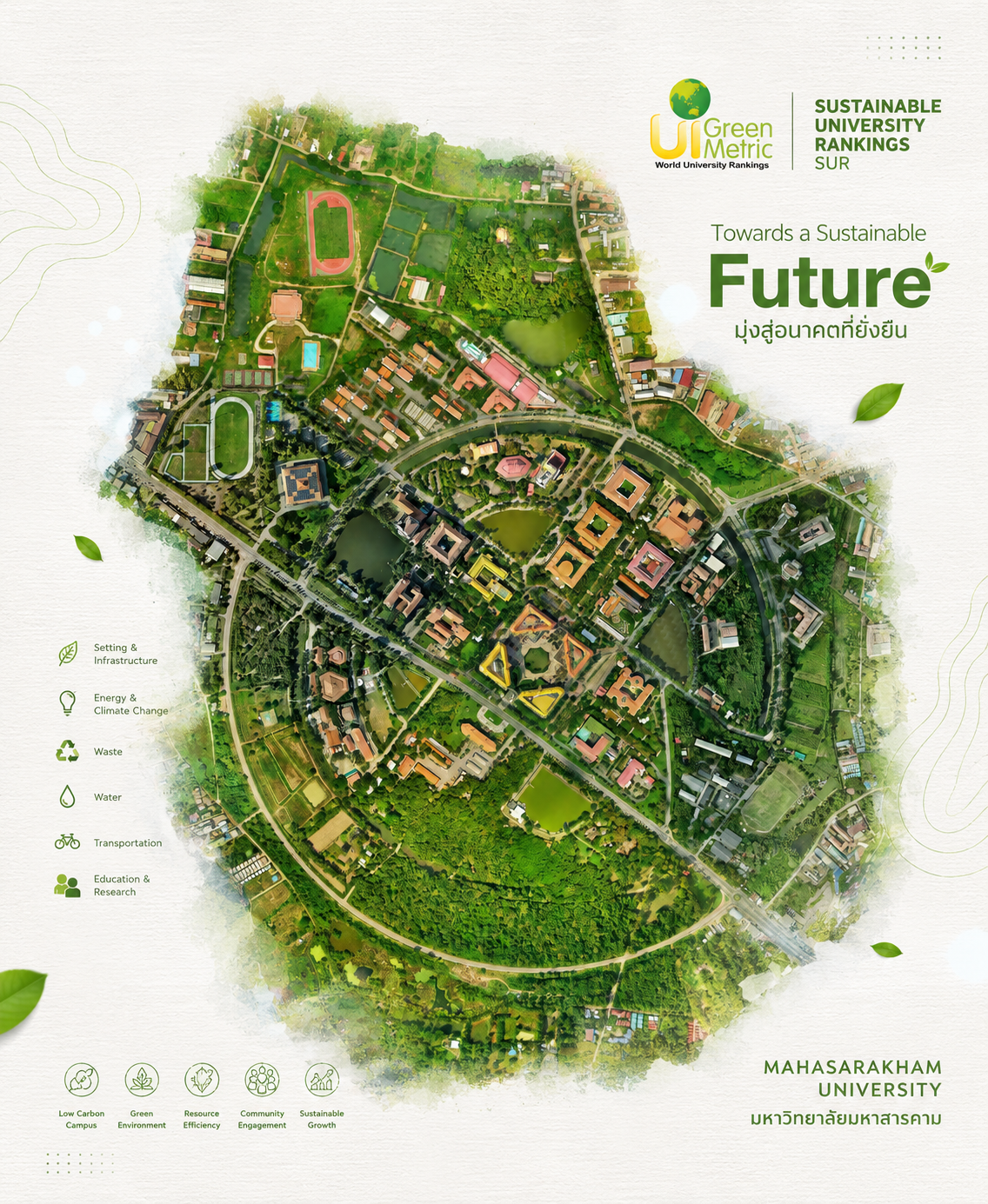
MSU Sustainable University Rankings — Towards a Sustainable Future
Live Monitoring Active

Sustainable
University Rankings

แพลตฟอร์มติดตามและประเมินความยั่งยืนของมหาวิทยาลัยมหาสารคามด้วยระบบ Smart Monitoring ที่ครอบคลุมทุกมิติ

Setting & Infrastructure
Energy & Climate
Waste Management
Water
Transportation
Transportation
0
Buildings Monitored
0
Smart Sensors
0
SDG Categories
0
Uptime %
Sustainability Policies

นโยบายด้านความยั่งยืน มหาวิทยาลัยมหาสารคาม

มุ่งมั่นสู่การเป็นมหาวิทยาลัยสีเขียว รักษาสภาพแวดล้อม และสร้างบรรยากาศการเรียนรู้ที่ดีเพื่อคุณภาพชีวิตที่ดีของคนในมหาวิทยาลัย

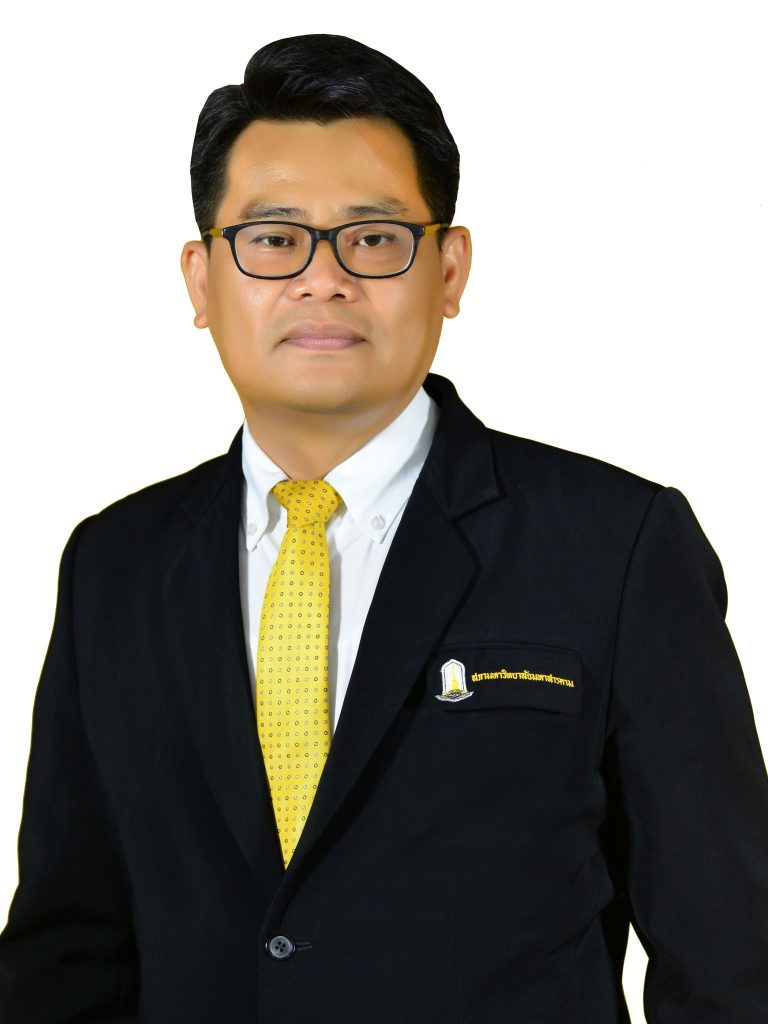
Assoc.Prof. Prayook Srivilai, Ph.D.

สารจากอธิการบดี

Welcome to Mahasarakham University or MSU. I would like to extend my appreciation of your good vision considering pursuing your higher education with one of Thailand’s foremost centers of higher education.

Beyond our offering of a ‘world-class education,’ we provide a small college experience in a large university setting creating a sense of community among our students through a wide variety of special programs and the work of our most talented professors and dedicated personnel.

Secondly, the university and its staff take pride in challenging young scholars to excel academically, think critically and to live their lives in an ethical manner. The local people of the province of Maha Sarakham are justifiably proud of their University and I hold that legacy in hand with a profound sense of stewardship. While the students and staff endeavor to honor and build upon MSU’s proud heritage and local cultural traditions we also strive to move together into a future of endless opportunity for all through the promise of new knowledge and application of new technologies.

I am thrilled to be part of a learning community that is so talented, dedicated, and caring. I know you will be, too. Join us as you reflect upon your educational needs, options and goals.

Assoc.Prof. Prayook Srivilai, Ph.D.

President of Mahasarakham University

Main Policies

นโยบายหลักด้านสิ่งแวดล้อม

ประกาศนโยบายเพื่อการบริหารจัดการสภาพแวดล้อมและส่งเสริมมหาวิทยาลัยสีเขียวอย่างยั่งยืน

1. Land Use Development

การพัฒนาการใช้ประโยชน์ที่ดิน

  • Move toward establishment of the most ultimate utilization of new land use functions, developed from emergent or restored lands.
  • Move toward extensions of activity areas
  • Move toward extensions of areas for learning sustainable economics and community life styles

2. Traffic System Development

การพัฒนาระบบจราจรเพื่อการเข้าถึงที่ดีขึ้น

  • Construct additional roads, bridges and gates
  • Renovate gates and fences around the university
  • Connect footpaths within the educational zone
  • Move toward developing public transport systems
  • Develop parking areas for motor vehicles and bicycles
  • Develop sign systems, including maps, street name signs, gate signs and direction signs
  • Move toward regulating the effective traffic management standard, traffic signs, on-road symbols and speed humps.

3. Landscape Development

การพัฒนาภูมิทัศน์เพื่อบรรยากาศการเรียนรู้

  • Establish areas for green activities and multi-purposes
  • Extend footpaths and bicycle routes
  • Improve landscapes along the main roads and surrounding study buildings.
  • Create landmarks, natural study rooms and activity areas
  • Move toward creating opened physical areas in order to encourage public participations, to facilitate development of effective administrative management, and to improve work skills and moral minds of human resource and good relationships among them.
Waste Management

Reductions of Paper and Plastic Consumptions

มหาวิทยาลัยมหาสารคามมุ่งมั่นที่จะลดการใช้กระดาษและพลาสติกในสำนักงานเพื่อการประหยัดพลังงานและอนุรักษ์สิ่งแวดล้อม

1

Participation & 3R Principles

Focus on and encourage participations from all segments in administrations and reductions of paper and plastic consumptions for energy saving and environmental conservations.

Reduce Reuse Recycle

Use paper efficiently on both sides as appropriate

2

Effective Management

Toward development of effective managements on energy saving and environmental conservation for ultimate benefits and feasibility.

  • Send electronic messages through computer network system to minimize paper and energy consumptions.
  • Use ecofriendly shopping bags instead of plastic bags. In case of a fewer items, avoid using the plastic bag.
3

Activities & Campaigns

Drive any activities or measures that endorse the significance of environmental conservation.

Campaign, create awareness and promote participations in energy saving, environmental and natural resources management

Energy Saving

มาตรการประหยัดพลังงาน

แนวปฏิบัติในการประหยัดพลังงานสำหรับบุคลากรและนิสิตมหาวิทยาลัยมหาสารคาม

1. Air Conditioning

  • 1.1 Turn on air conditioners during 10:00 – 11:30 and 13:00 – 16:00
  • 1.2 Set air-conditioned temperature to 25°C or higher
  • 1.3 Turn off suction fans while air conditioners are turned on
  • 1.4 Close doors, windows and curtains while air conditioners are turned on
  • 1.5 Install cabinets or shelves close to the walls along the eastern or western sides of buildings
  • 1.6 Clean air conditioners at least once a year

2. Lighting

  • 2.1 Turn off lights immediately when they are not in use or no one in the rooms for more than 15 minutes
  • 2.2 Open windows and curtains while air conditioners are not in use
  • 2.3 Clean light bulbs and lamps at least once every 6 months

3. Office Supplies

  • 3.1 Unplug office supplies and electric appliances immediately after turned off
  • 3.2 Set screen-saver program to turn off desktop screen automatically after 10 minutes
  • 3.3 Minimize paper consumption by reusing one-side used papers
  • 3.4 Fill a proper amount of water in water boilers

4. Electrical Elevator

  • 4.1 Campaign using ladders instead of the elevators for 1–2 floors up and down
  • 4.2 Shut down some elevators during low demands (after working hours/school breaks)

5. Water and Trees

  • 5.1 Turn off the faucet tightly after used
  • 5.2 Check water leakages regularly and inform person in charge immediately
  • 5.3 Collaborate any tree planting activities arranged by the university

6. Petroleum Oil

  • 6.1 Always plan for directions and vehicle schedules and record vehicle usage logs
  • 6.2 Maintain vehicle conditions regularly (tire pressure, motor oil, etc.)
  • 6.3 Limit vehicle speed to 90 km per hour
  • 6.4 Campaign riding bicycles to work for a short distance